
Description
Product Overview
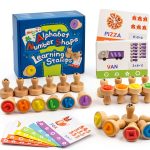
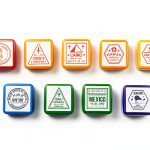
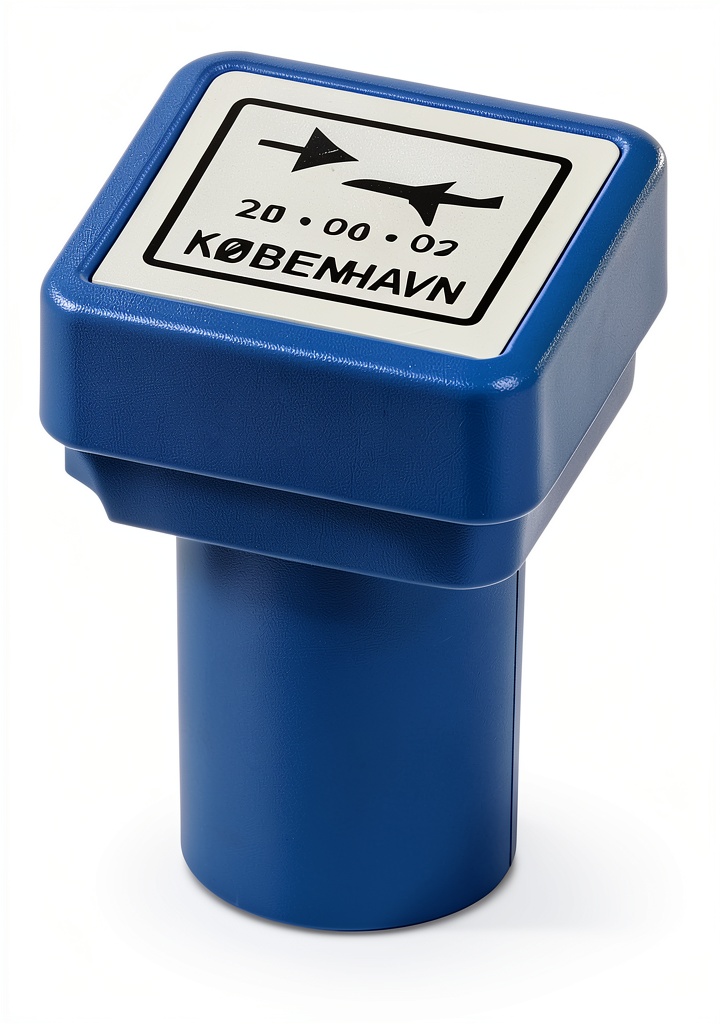
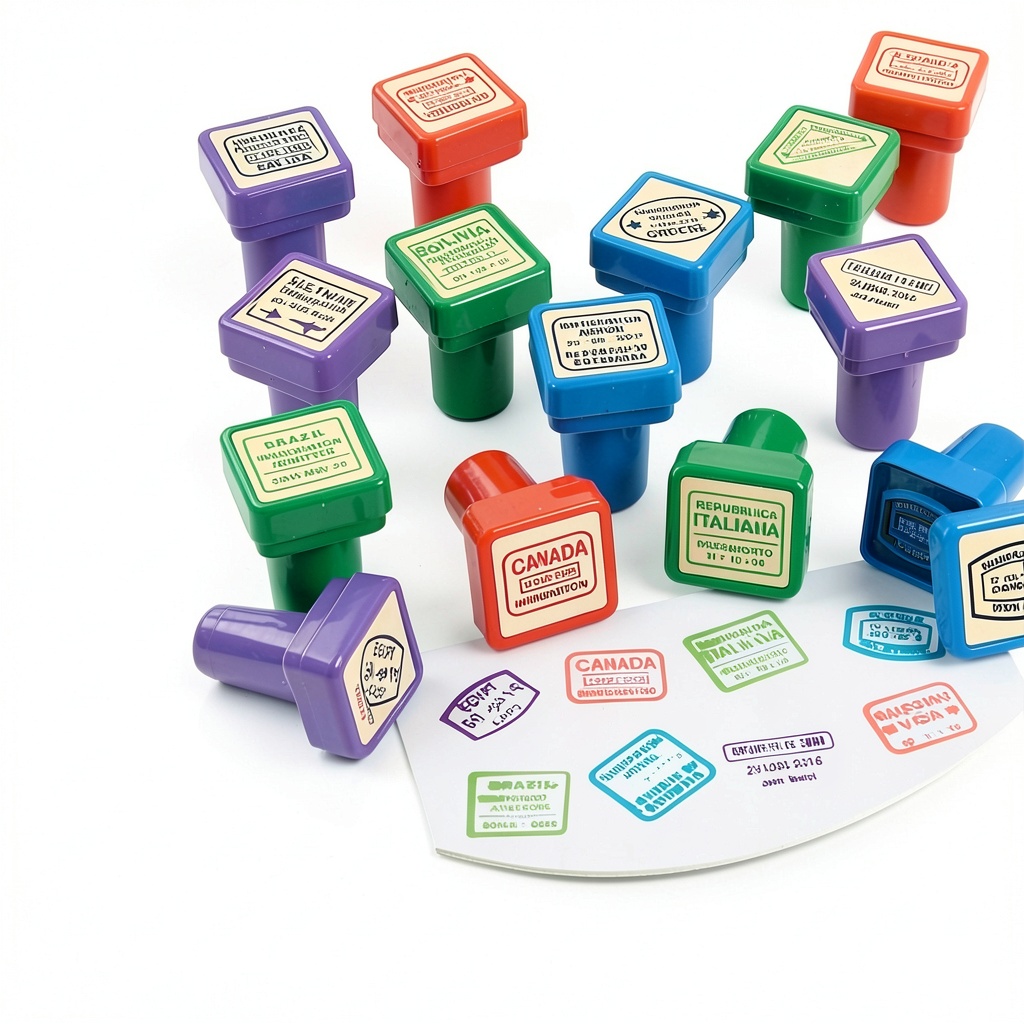
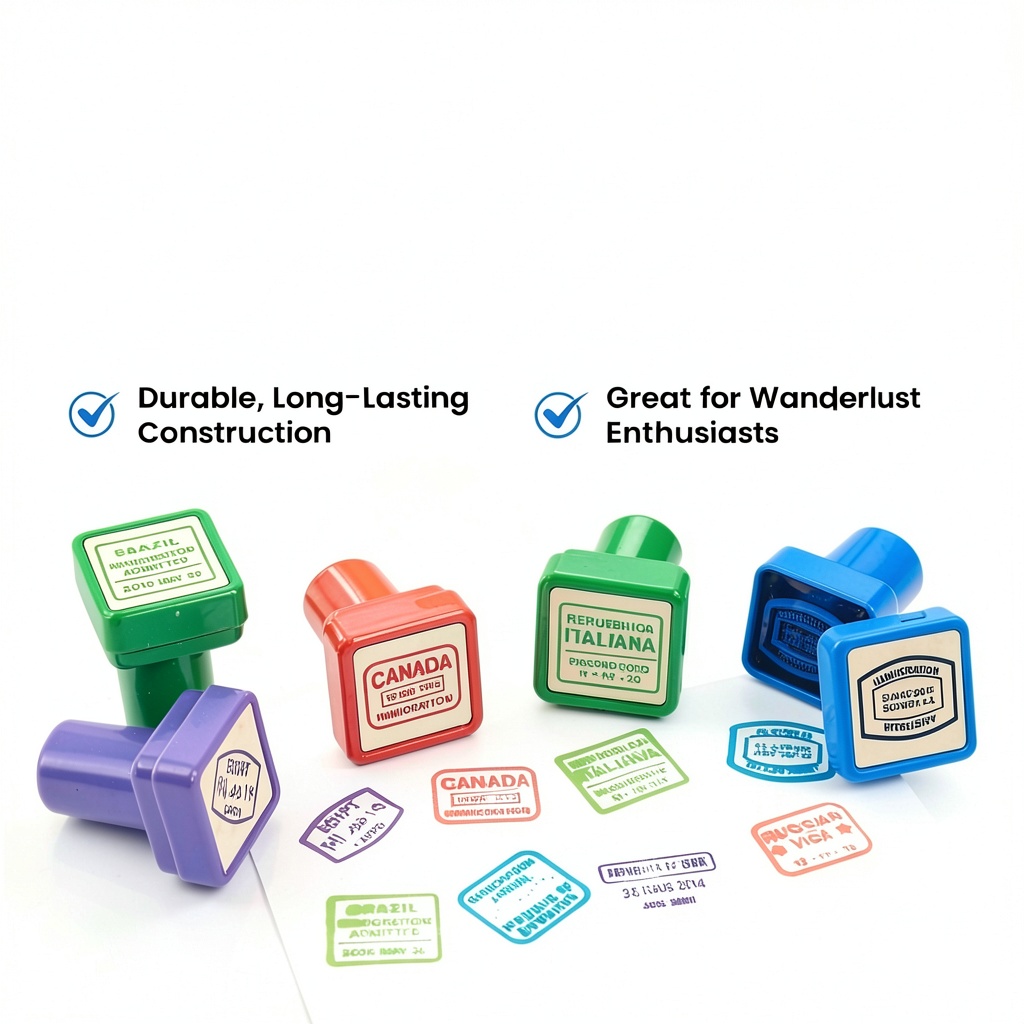
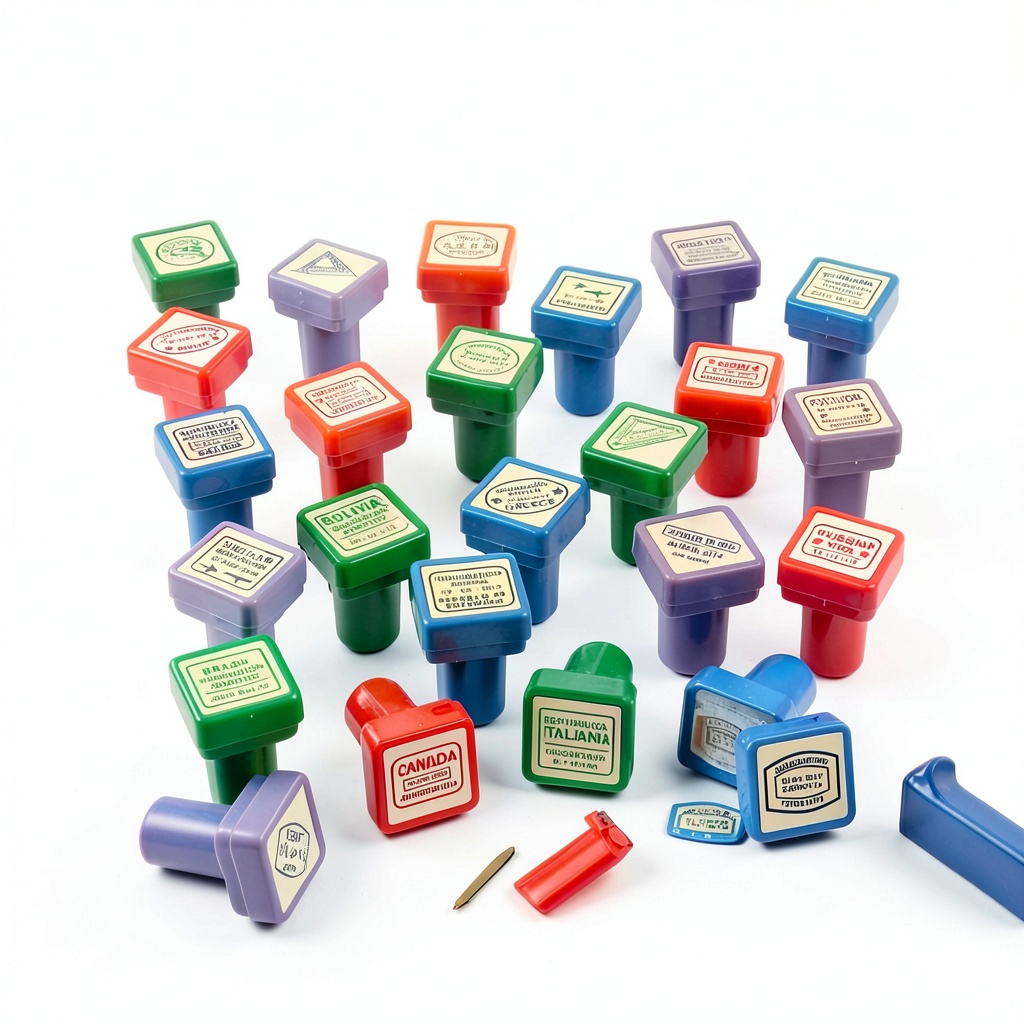
The Oriental Trading Geography Stampers are a compact, classroom‑ready set designed to bring world geography to life through tactile stamping activities. Each stamp measures approximately one inch square, making it easy for small hands to grip and press firmly onto paper, cardstock, or other printable surfaces. The set includes twelve individual rubber stamps, each bearing the name of a different country, with examples such as Canada, Egypt, Bolivia, and several additional nations that span multiple continents. The stamps are mounted on a sturdy plastic base that keeps them organized and protects the rubber surfaces when not in use.
The model number #13764064/OT reflects the manufacturer’s internal cataloging and ensures that educators can quickly locate the exact item when ordering supplies in bulk. Weighing only 0.32 ounces, the entire collection is lightweight enough to be carried in a teacher’s bag or stored in a classroom supply cabinet without adding noticeable bulk. The dimensions of each stamp are 1 × 1 × 1 inch, a size that balances visibility of the printed country name with the convenience of handling. The stamps are made from non‑toxic, food‑grade rubber, complying with safety standards for children’s educational tools, and the plastic mounting board is also free from harmful chemicals.
In addition to the physical specifications, the set has earned a solid reputation among educators, reflected in an average customer rating of 4.1 out of 5 stars based on more than 800 reviews. The positive feedback highlights the durability of the stamps, the clarity of the printed text, and the ease with which students can incorporate the stamps into a variety of projects. The product’s best‑seller rank of #75 in the Kids’ Printing & Stamping Supplies category demonstrates its popularity within the niche of classroom accessories that support interactive learning. First released on May 26, 2016, the Geography Stampers have remained in production, indicating ongoing demand and a proven track record of reliability.
![[Product front view showing all components]](https://www.elvinta.store/wp-content/uploads/2026/06/ef6bb3bc98a4456ebd8ad790ff4b2922.jpg)
Educational impact and curriculum alignment
The Geography Stampers are deliberately crafted to support core curriculum standards in social studies and language arts. By providing a tactile representation of country names, the stamps help students develop spatial awareness and reinforce memorization of geographic facts. Research indicates that multisensory learning tools, such as stamping, improve recall by engaging visual, kinesthetic, and auditory pathways simultaneously. Teachers can align stamp activities with state standards that require students to identify continents, locate countries on a map, and describe cultural attributes. The set’s inclusive selection of countries spans North America, South America, Africa, Europe, and Asia, offering a broad cultural perspective that encourages inclusive discussions and global awareness.
Usage
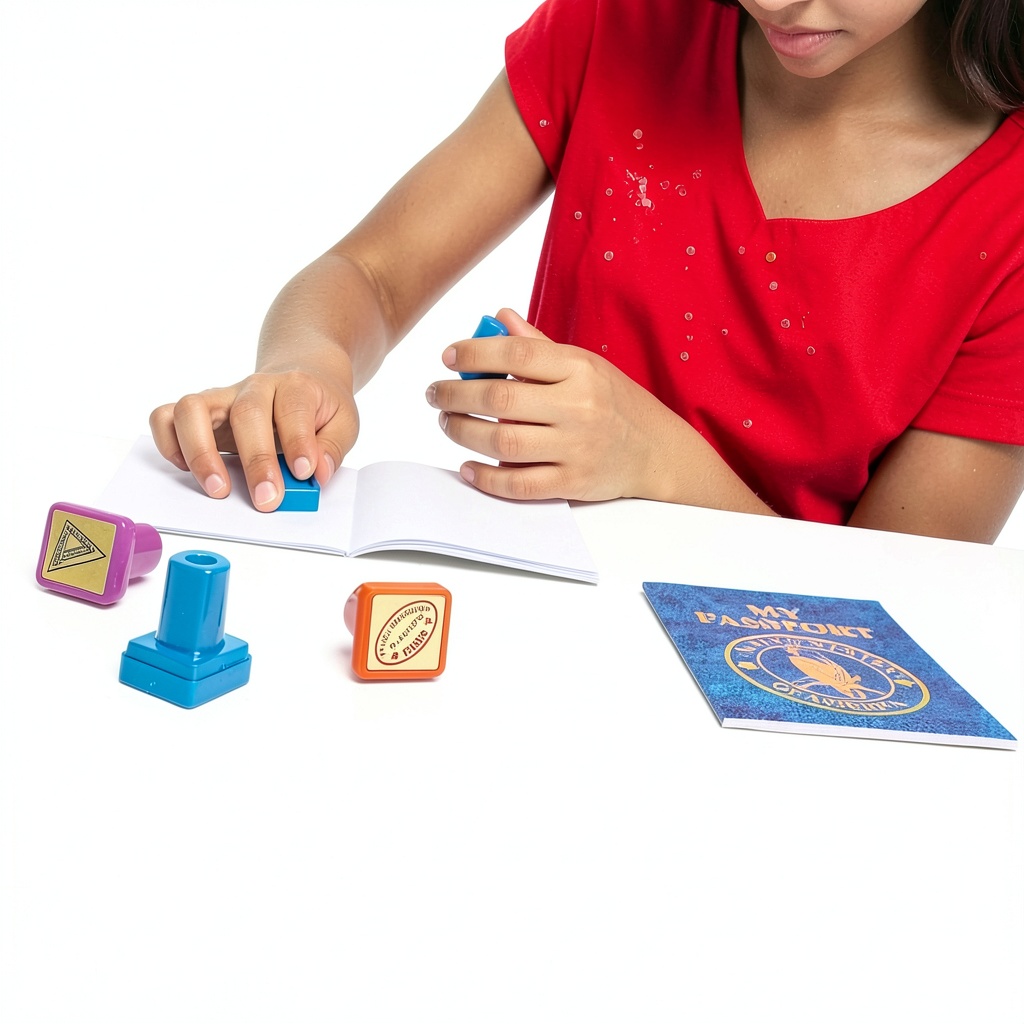
Geography Stampers are versatile tools that fit naturally into a wide range of educational settings, from elementary school classrooms to after‑school enrichment programs and home‑based homeschooling environments. Teachers can integrate the stamps into daily lesson plans that cover continents, capitals, cultural landmarks, and language studies, allowing students to physically mark the names of countries on world maps, worksheets, or custom‑made passports. The tactile experience of pressing a stamp reinforces memory retention more effectively than passive listening alone, and the visual result of a clear, bold imprint provides immediate feedback that encourages continued participation.
In a typical classroom activity, a teacher may assign each student a “travel itinerary” that lists several countries to explore. Students then use the appropriate stamp to label each destination on a printed map, creating a personalized visual record of their learning journey. The stamps can also be employed in collaborative projects where groups design travel brochures, postcards, or informational posters, each element featuring stamped country names to add authenticity and visual interest. Because the stamps are non‑toxic and safe for repeated handling, younger learners can use them without adult supervision beyond standard classroom oversight.
Beyond geography, the stamps serve as creative prompts for interdisciplinary projects. For example, language arts teachers can ask students to write short paragraphs describing a cultural tradition from a stamped country, while art teachers can guide students to illustrate traditional clothing or landmarks alongside the stamped label. The set’s compact size and lightweight construction make it easy to transport to field trips, community centers, or parent‑teacher meetings, where educators can demonstrate the product’s value in real‑time. The durability of the rubber heads ensures that even after hundreds of impressions, the stamps retain crisp lettering, reducing the need for frequent replacement and keeping costs manageable for school budgets.
Classroom management and assessment integration
Incorporating the stamps into daily routines can also streamline classroom management. Teachers may set up a stamping station where students rotate in small groups, fostering collaborative learning while minimizing disruption. The visible progress of a stamped passport or map provides an immediate visual cue for both the teacher and the student, simplifying the tracking of completed tasks. For assessment purposes, educators can design rubrics that award points for correctly stamped countries, accuracy of accompanying written descriptions, and creativity of presentation. Because the stamps produce consistent, legible impressions, grading is more objective and less time‑consuming. Moreover, the stamps can be used as a formative assessment tool; a quick stamping exercise at the end of a lesson offers instant insight into student comprehension, allowing the teacher to adjust instruction on the spot.
Why Choose Us
Choosing the Oriental Trading Geography Stampers means selecting a product backed by a reputable brand that has served educators and families for decades. Oriental Trading is known for providing affordable, high‑quality classroom supplies that meet safety standards and are designed for everyday use in busy learning environments. The stamps are manufactured from non‑toxic, food‑grade rubber, ensuring that they are safe for children who may inadvertently place a stamp on their skin or mouth during play. The plastic mounting board is made from recyclable material, reflecting a commitment to environmental responsibility that aligns with many school sustainability initiatives.
The design of each stamp focuses on clarity and durability. The raised lettering is engineered to produce a crisp, legible imprint with each press, even after hundreds of uses. This reliability reduces the frustration that can arise from smudged or incomplete stamps, allowing teachers to maintain a smooth flow of instruction without interruptions. The compact size of the stamps means they occupy minimal storage space, and the included base keeps them organized, preventing loss of individual pieces in a bustling classroom.
Customer support from Oriental Trading adds an extra layer of confidence. If a teacher encounters any issues with the product, such as a defective stamp head or missing components, the company offers responsive assistance and replacement parts, minimizing downtime for lesson planning. The brand’s extensive distribution network ensures that replacement orders can be fulfilled quickly, often within a few business days, which is critical for schools operating on tight schedules.
In addition to functional benefits, the Geography Stampers support pedagogical goals by encouraging active participation and reinforcing content through multisensory learning. When students physically stamp a country name, they engage their motor skills, visual perception, and cognitive recall simultaneously, which research shows can improve retention compared with passive study methods. By integrating these stamps into curricula, educators can meet learning objectives while fostering curiosity and enthusiasm for world cultures.
Finally, the cost‑effective pricing of $10.49 per set makes the product accessible for schools with limited budgets, while still delivering a high‑value educational tool. The combination of safety, durability, brand reliability, and instructional versatility positions the Oriental Trading Geography Stampers as a smart investment for any classroom seeking to enrich its geography program.
Sustainability and global distribution
Oriental Trading emphasizes sustainable manufacturing practices, using recycled plastics for the stamp base and minimizing packaging waste. The company sources its rubber components from suppliers that adhere to environmentally responsible standards, reducing the ecological footprint of each set. Because the product is lightweight and compact, shipping costs are low, which translates into a smaller carbon impact per unit delivered. Oriental Trading’s global distribution network ensures that schools worldwide can receive the Geography Stampers promptly, with localized warehouses that shorten delivery times and reduce emissions associated with long‑haul transport. This commitment to eco‑friendly production and efficient logistics aligns with the growing emphasis on green initiatives in education, allowing institutions to choose a product that supports both learning and environmental stewardship.
Key Features
- Durable rubber stamps produce clear, legible impressions for repeated classroom use.
- Non‑toxic, food‑grade materials ensure safety for young learners.
- Compact design with a storage base keeps stamps organized and portable.
- Includes a variety of country names covering multiple continents for inclusive lessons.
- Backed by Oriental Trading’s customer support and warranty for reliable after‑sales service.
FAQ
How can I integrate the Geography Stampers into a weekly lesson plan?
Teachers can dedicate a 15‑minute segment of each week to a geography stamping activity. Begin by introducing a new country, discussing its location, culture, and key facts. Then, have each student locate the country on a classroom map and use the corresponding stamp to label it. After stamping, students can write a short paragraph or draw a symbol that represents something unique about the nation. The completed pages become part of a class passport that travels with the student throughout the unit, providing a visual record of progress. This routine reinforces factual recall, develops fine‑motor skills, and creates a sense of accomplishment as the passport fills up. By repeating the process weekly, educators build a cumulative learning experience that aligns with standards for geographic knowledge and inquiry. Students also enjoy the tactile feedback, which helps them stay focused and motivated throughout the lesson.
Are the stamps suitable for younger students (K‑2)?
The stamps are designed with safety and ease of use in mind, making them appropriate for early elementary learners. The rubber heads are soft enough to press without excessive force, yet they produce a clear imprint that younger children can see. Because the stamps are non‑toxic and free of sharp edges, teachers can allow kindergarten and first‑grade students to handle them under normal classroom supervision. For the youngest learners, adults can demonstrate the stamping motion first, then let the children practice on a large sheet of paper to develop hand‑eye coordination. The simple act of matching a country name to a location supports foundational geography concepts, while the repetitive motion reinforces fine‑motor development. With proper guidance, K‑2 students can successfully use the stamps as part of interactive lessons, building confidence and enthusiasm for world studies.
What cleaning or maintenance is required for the stamps?
The rubber surfaces of the stamps are durable but benefit from occasional cleaning to maintain crisp impressions. After a classroom session, simply wipe each stamp head with a damp cloth or a soft sponge that has been rinsed in mild soap water. Avoid using harsh chemicals or abrasive scrubbers, as they can damage the rubber. Allow the stamps to air dry completely before storing them back in the foam‑lined base; this prevents moisture from accumulating and causing mold. For long‑term storage, keep the set in its original box or a sealed container to protect it from dust. If a stamp becomes worn over time, the manufacturer offers replacement heads that can be swapped easily, extending the life of the entire set. Regular maintenance ensures consistent performance throughout the school year.
Can the stamps be used on materials other than paper?
The stamps work best on porous surfaces such as paper, cardstock, and thin cardboard, where the ink from the rubber head can transfer cleanly. They can also be used on fabric scraps or felt for simple textile projects, though the impression may be lighter and may require a fabric ink pad for stronger color. For non‑porous items like plastic or metal, the stamps will not leave a permanent mark unless paired with a suitable ink pad designed for those surfaces. Teachers who wish to experiment with different media should test a single stamp on a sample piece first to evaluate the result. The non‑toxic composition of the rubber ensures that even if a child accidentally touches a stamped area, it remains safe. Overall, the stamps provide flexibility for a variety of classroom crafts while maintaining reliable performance on the recommended materials.

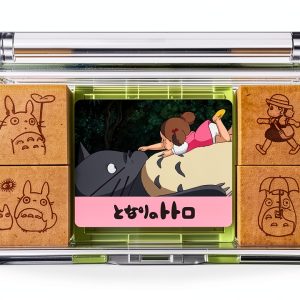 BEVERLY Portable Ghibli Mini Stamp with Ink Pad Autumn Leaf 12.5mm
  Melissa & Doug My First Wooden Stamp Set – 8 Stamps + 2 Ink Pads
  MiyaCstm Custom Animal Name Stamp – Rectangular Rubber Label for Kids
Reviews
There are no reviews yet.